Lang leven gaat vooral over jaren met energie en zelfstandigheid. Dat bereik je meestal met basisgewoonten: bewegen, slapen, eten en stress beperken. Hieronder staat een praktisch plan.
lang leven is not only about “living longer”. It is mostly about healthspan: more years with energy, independence, and a clear mind. That is why the best strategy is boring on purpose: reduce the biggest risk factors first, then optimize.
lang leven: what “new research” actually says
Most “breakthrough longevity news” turns out to be one of these: (1) animal studies (useful, but not a direct promise for humans), (2) observational studies (correlation, not causation), or (3) short-term human trials that show small changes in markers.
If you see claims like “+150% lifespan”, treat them as marketing. In humans, we do not have solid evidence for that kind of effect from a supplement. Real longevity gains come from stacking many small, proven habits over years.
The 6 foundations with the strongest evidence
- Movement (aerobic + strength) and less sitting. See the WHO guidance for weekly targets: physical activity recommendations.
- Sleep consistency (regular wake time, fewer late nights).
- Nutrition pattern (more minimally processed foods, vegetables, legumes; enough protein; not “one magic superfood”).
- Cardiometabolic markers (blood pressure, glucose, lipids, waist). These dominate long-term risk.
- Stress regulation (daily downshift: walk, breathwork, journaling, therapy if needed).
- Social ties (regular contact and meaningful roles reduce long-term risk in many studies).
lang leven checklist (practical, not perfect)
- Walk daily (even 20–30 minutes is a start).
- 2–3 strength sessions per week (basic full-body).
- Keep a stable sleep schedule for 14 days.
- Make one “default plate”: half vegetables, protein, slow carbs.
- Limit nicotine and keep alcohol low (or none).
- Measure blood pressure occasionally; discuss labs with a clinician if you have risk factors.
- Build a “calm routine” after work: 10–15 minutes without screens.
- One social commitment weekly (sport, club, family dinner, volunteering).
Why people talk about NAD+ in lang leven
NAD+ is a molecule involved in energy metabolism and many cellular processes. Interest in NAD+ rises because NAD+ levels and related pathways may change with age. Research is active, but it is still early to translate this into clear “live longer” promises for humans.
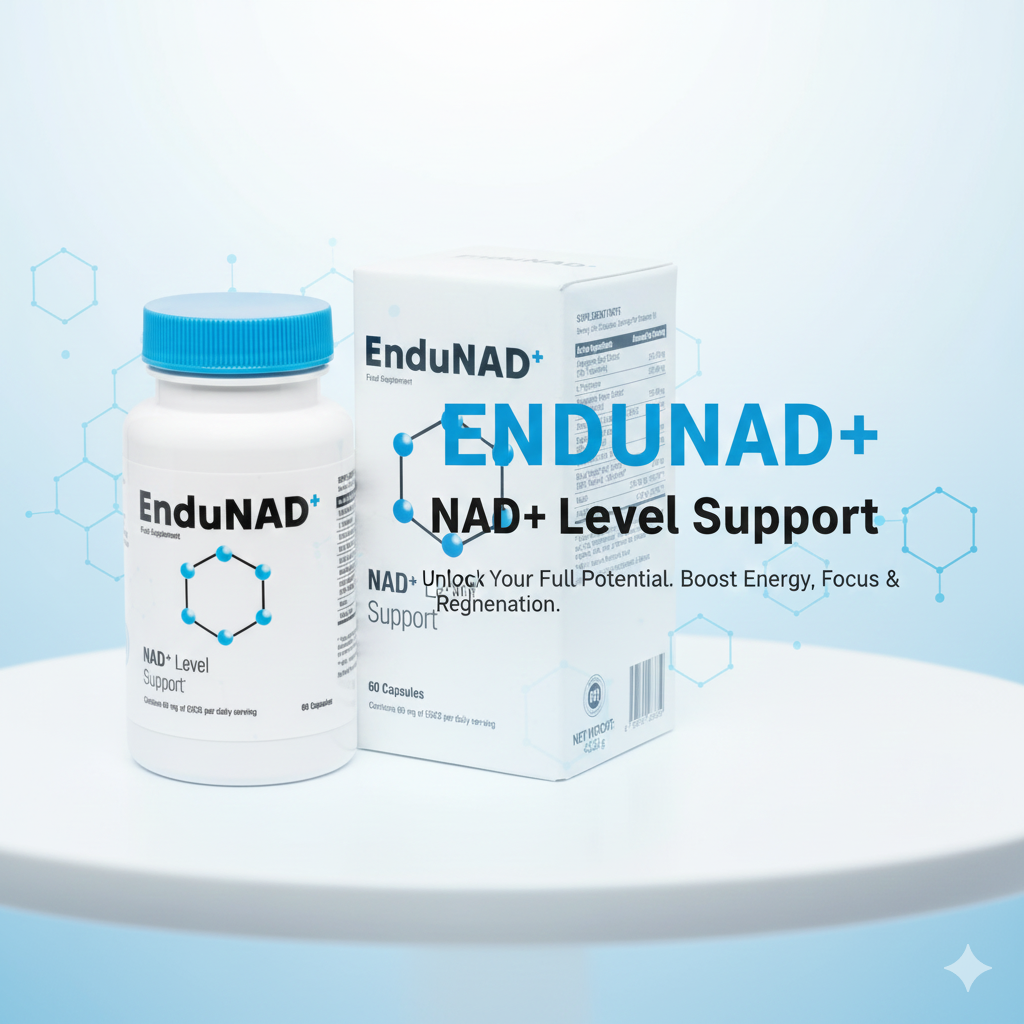
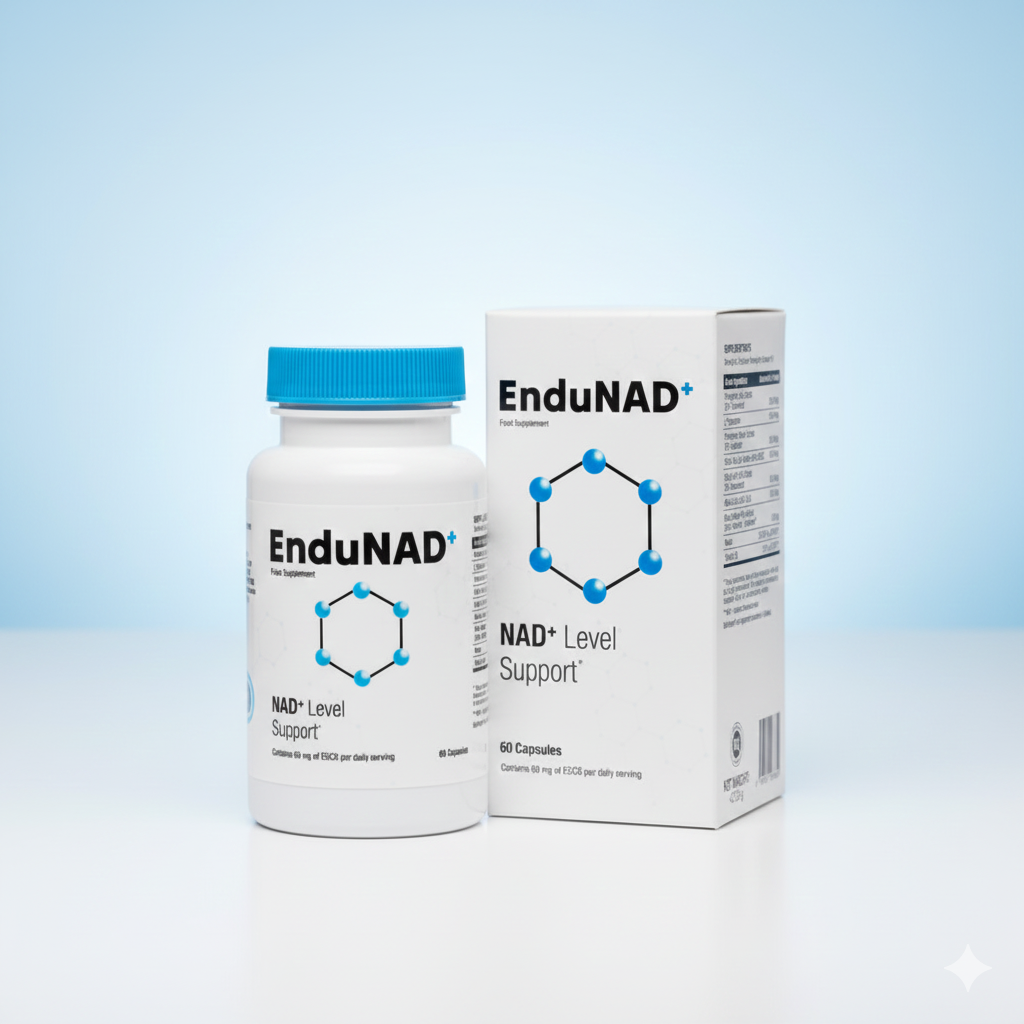
EnduNAD (dietary supplement, not a drug)
EnduNAD is positioned as a modern dietary supplement for people with an intense lifestyle who feel fatigue and want to support daily energy, focus, and recovery. The idea is to help the body’s mechanisms related to NAD+ production and cysteine synthesis—important for cellular health. It is not a medicine.
Important: the article focus remains on lang leven. Supplements are optional. If you use them, do it responsibly and track real outcomes (sleep, energy, consistency).
How to use supplements responsibly
- Follow the label instructions; do not mix multiple “stimulant” products.
- If you are pregnant, on medication, or have chronic conditions—ask a clinician.
- Track 2–3 outcomes only (energy, focus, sleep) for 14–30 days.
30-day lang leven plan
- Days 1–7: fix wake time; add a daily walk.
- Days 8–14: add 2 strength workouts; reduce late-night screens.
- Days 15–21: upgrade breakfast or dinner (protein + fiber); add a calm routine.
- Days 22–30: review markers (steps, sleep hours, mood); keep what worked.
FAQ
Is there one best longevity supplement? No. Foundations matter more.
Do NAD+ supplements guarantee longer life? No. Evidence in humans is not that direct.
Can a calmer nervous system help lang leven? It can support better sleep and habits.
Is EnduNAD safe? It is a dietary supplement, not a drug. Use as directed and check with a clinician if unsure.
Comments are closed